Stuck Water Woes - 6 Root Causes Of Kitchen Sink Drainage Issues}
Click HereHow do you feel with regards to Why Is My Sink Not Draining??
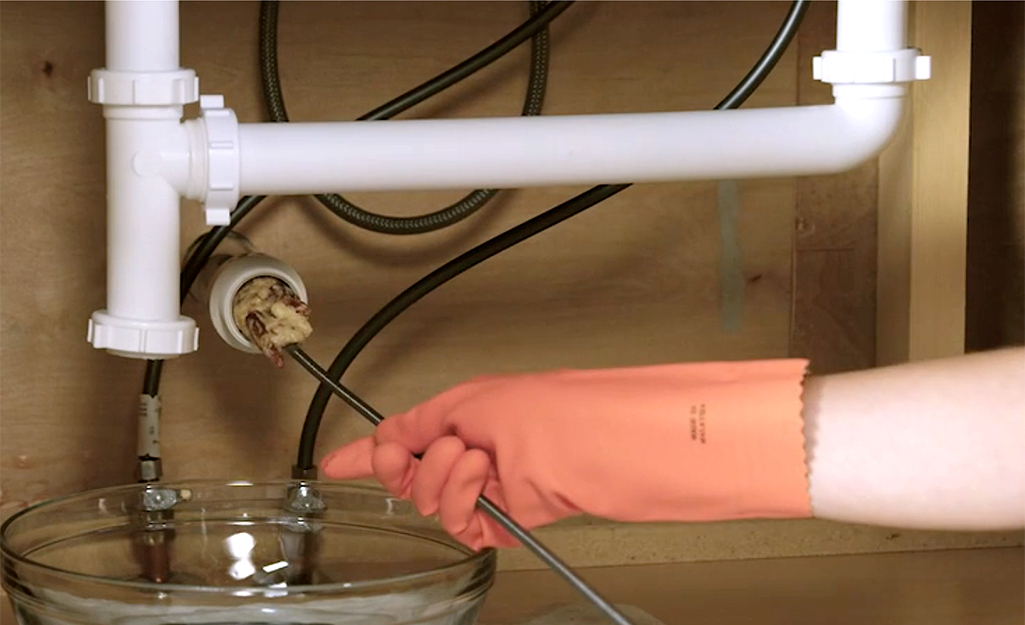
It's not regular for your kitchen area sink to congest multiple times in one month. If your sink obstructs two times a week, there's some trouble going on.
A blocked kitchen area drainpipe does not simply decrease your duties, it degrades your whole plumbing system, gradually. Below are some common practices that urge sink clogs, as well as how to prevent them.
You need proper garbage disposal
Recycling waste is fantastic, yet do you take note of your organic waste also? Your kitchen needs to have two different waste boxes; one for recyclable plastics and an additional for natural waste, which can end up being compost.
Having actually an assigned trash bag will certainly assist you and your family members prevent throwing pasta and also other food remnants down the tubes. Usually, these remnants soak up wetness and come to be blockages.
Someone tried to clean their hair in the kitchen sink
There's a correct time as well as location for everything. The cooking area sink is simply not the best place to clean your hair. Washing your hair in the kitchen sink will certainly make it block sooner or later unless you make use of a drainpipe catcher.
While a drain catcher could capture the majority of the fallouts, some hairs may still make it through. If you have thick hair, this may suffice to slow down your drain and eventually create a blockage.
You're throwing coffee down the drain
Made use of coffee premises and coffee beans still absorb a substantial quantity of moisture. They might seem little enough to throw down the drain, but as time goes on they begin to swell and also use up even more area.
Your coffee grounds need to go into natural waste disposal. Whatever portion leaves (probably while you're washing up) will certainly be looked after throughout your monthly cleaning.
You've been consuming a great deal of greasy foods
Your cooking area sink may still obtain blocked despite natural garbage disposal. This may be due to the fact that you have a diet regimen rich in oily foods like cheeseburgers.
This oil coats the within pipes, making them narrower as well as even more clog-prone.
Your pipe wasn't dealt with correctly to begin with
If you've been doing none of the above, however still obtain regular blockages in your cooking area sink, you ought to call a plumber. There may be a trouble with how your pipes were installed.
While your plumber shows up, look for any kind of leaks or irregularities around your kitchen area pipelines. Do not try to fix the pipes on your own. This may trigger a crash or a kitchen area flooding.
There's more dirt than your pipelines can handle
If you obtain fruits straight from a farm, you may see more kitchen area dirt than other people that go shopping from a shopping mall. You can easily repair this by cleansing the fruits and veggies appropriately prior to bringing them right into the house.
Thaw the sludge
The fault isn't from your kitchen area sink in all
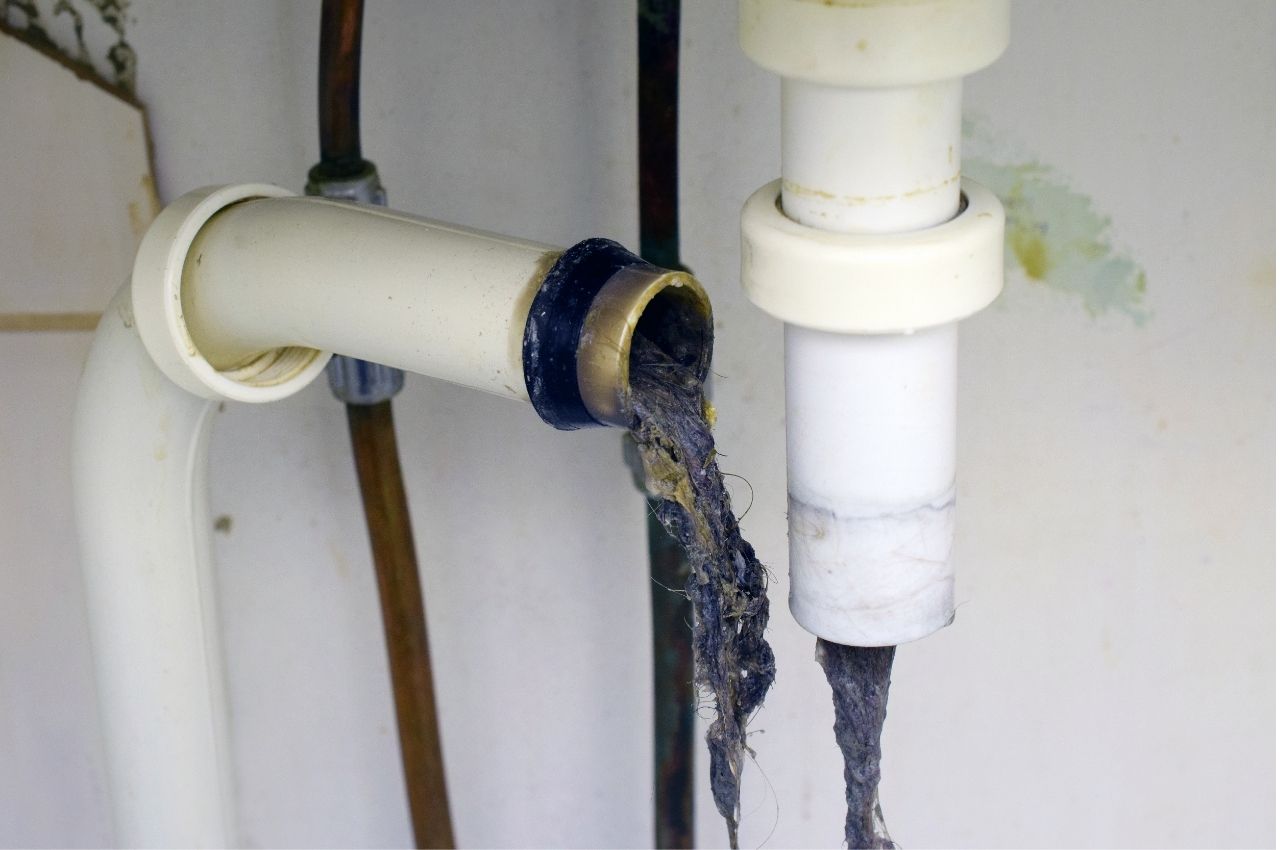
Maybe the issue isn't from your cooking area sink, but the whole drainage system. In such a case, you might see that other sinks as well as drains pipes obtain clogged every other week. You need an expert plumbing solution to repair this.
What to Do When Your Kitchen Sink Won’t Drain
Many of us have experienced something like this: one minute you are washing a pile of dirty dishes, and the next you hear a strange gurgling sound coming from the mechanical depths of your kitchen sink. The water is staying put, perhaps even changing colour and starting to rise; suddenly the soundtrack to Jaws is playing, and you realize you are dealing with… a clogged sink! Usually, you have to act quickly, but don’t panic just yet. Non-toxic home remedies and DIY solutions can do the trick, so before you call a plumber, read on to find out what you can do when your kitchen sink won’t drain.
What Causes Your Sink to Clog?
It’s great to know how to properly care for your kitchen sink so you can keep your drain and pipes running smoothly. For instance, some foods and products should never be washed down your drain, like grease, oil, and coffee grounds. Why? Grease and oil will eventually congeal at cold temperatures, and coffee grounds clump together when they harden. If you run hot water down your drain to flush them out, they will still cause trouble further down your pipe.
Dumping foods like meat, fibrous fruits and veggies like celery or banana peels, and starches such as noodles, rice and potatoes down your drain is also a big no, even if you have a garbage disposal. Food trapped in your disposer is a common problem, often leading to a blocked drain, so be sure not to overload it. Instead, put all your food scraps in your compost or green bin. Think of your drain as a major artery: you don’t want to clog it by putting harmful food and waste down your sink which can build up over time and cause problems.
Popular Home Remedies: What You’ll Need
Drain cleaners like Liquid Plumr or Drano often contain chemicals that are corrosive and harmful to the environment, so it’s best not to use them. Instead, try using natural remedies and the following life hacks to remove any debris. You’ll need to have the following items handy: rubber gloves (if you don’t want to dirty your hands), baking soda, salt, vinegar/lemons (or lots of lemon juice), a coat hanger, a plunger, a mug or container for scooping water, and some large buckets. You can also purchase a gadget called a Zip-It, which is an alternative to using a coat hanger. Ideally, you will already have many of these household items lying around, but a quick trip to a supermarket or dollar store should do the trick.
Boiling Water Techniques
The first thing you’ll need to do is remove everything from your sink (dishes, sponges, etc.) and start bailing out the excess water into a bucket. Once it is as empty as possible, and no water is filling back up into your sink, bring a kettle of water to a boil and dump its entire contents down the drain. Hot water can often loosen particles and clear a pathway.
If nothing happens after a few minutes, bail the water out and try again. If this is unsuccessful after a few attempts, pour half a cup of salt down your drain, followed by more boiling water. Wait for a few minutes to see if the water level starts to lower. Again, if nothing happens, you can try again, or try a new approach.
Baking Soda Techniques
Same as before, remove all water from your sink. Pour half a cup of baking soda followed by half a cup of white vinegar or lemon juice down your drain, and once the solution stops fizzing, cover with a stopper or a wet dish towel for about 15 minutes. Run hot water down the drain to check if the blockage is gone. You may need to repeat this a few times to clear the mess.
Alternatively, mix half a cup of salt with one cup of baking soda (do not add water), but for best results, you must let this sit for a few hours or overnight. Test it out after by pouring a pot of boiling hot water down the drain.
Go Fish: Coat Hanger or Zip-It Technique
If your sink is still causing you grief, unbend a wire coat hanger into a straight line with a hook, or use a Zip-It to fish out the clog. An alternative to properly snaking your drain, insert either of these tools down your drain until you encounter any resistance, and clear the clog by pulling it up. No luck? The clog might be further down.
Take the Plunge
If these previous techniques don’t work, a little bit of elbow grease may be required. For homeowners with a garbage disposal, always unplug it before plunging and check for any clogs inside. If you have a dishwasher, use a clamp to seal off the drain line – you don’t want any dirty water flowing back into your appliance! Once you have done that, you are ready to plunge. Fill the clogged sink with enough water so the rubber part is sealed tightly around your drain, and work the plunger until you feel something dislodge. It may take a few minutes of plunging for water to start flowing normally down the drain.
https://blog.homestars.com/what-to-do-when-your-kitchen-sink-wont-drain/
Do you like reading about What To Do When Your Kitchen Sink Won’t Drain? Post feedback directly below. We'd be delighted to know your thinking about this blog post. Hoping to see you back again in the future. Appreciated our blog entry? Please share it. Let another person discover it. Thanks a bunch for your time. Don't forget to check up our website back soon.
Click Here